
Got it. The issue is spacing and structure for WordPress readability. Below is a clean, properly spaced, Gutenberg-friendly version with consistent paragraph spacing, section breaks, and readable flow.
You can paste this directly into WordPress.
Cloud Computing From Basics to Real World Power in 2026
Introduction: Why Cloud Computing Matters More Than Ever in 2026
In 2026, cloud computing is no longer a future concept or a specialized technology used only by large corporations. It has become the foundation of modern digital life. Every time you stream a movie, store files online, use a productivity app, or interact with artificial intelligence, you are relying on cloud infrastructure.
Most users do not see the complexity behind these systems. There are no visible servers, no physical storage devices in your home, and no need to manage hardware. Everything works seamlessly in the background. This convenience is made possible by cloud computing.
Businesses, students, developers, and even small startups now depend on the cloud to operate efficiently. In cities like Bengaluru, startups are launching products globally without owning a single physical server.
Cloud computing allows users to access computing power on demand. Instead of investing heavily in hardware, organizations can rent resources over the internet and pay only for what they use. This model reduces costs, improves flexibility, and enables rapid innovation.
This guide will help you understand cloud computing clearly, from basic concepts to real world usage.
Section 1: What Is Cloud Computing
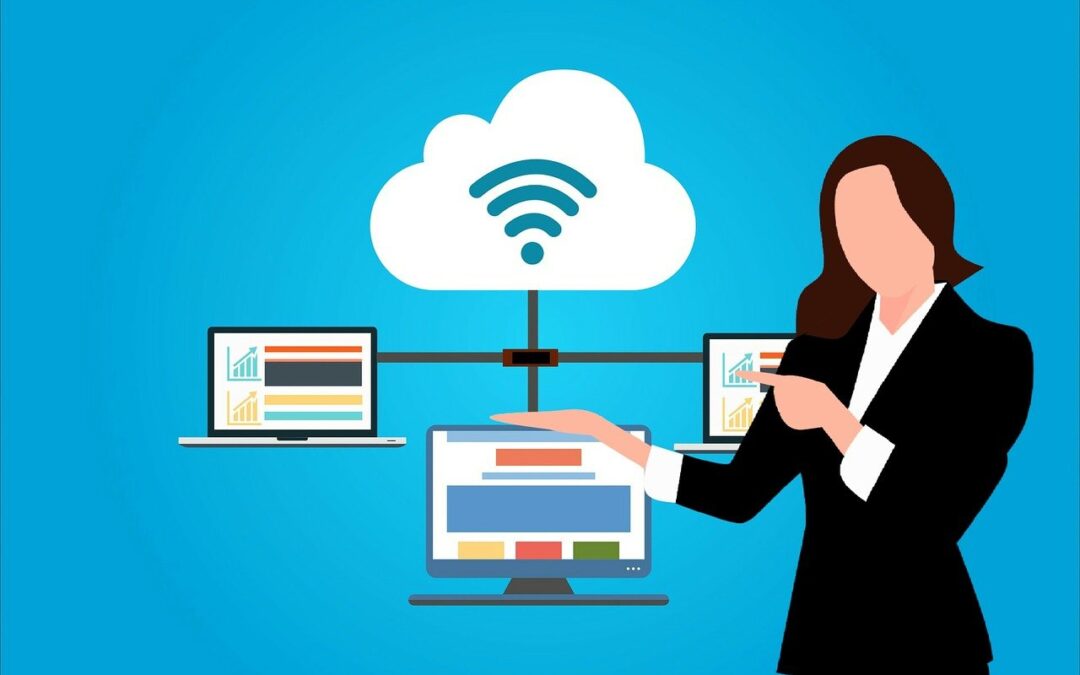
Cloud computing is the delivery of computing services over the internet. These services include servers, storage, databases, networking, software, analytics, and artificial intelligence tools.
Instead of owning and maintaining physical infrastructure, users can access these resources remotely. This makes systems more flexible and scalable.
A simple way to understand cloud computing is to compare it with electricity. You do not generate electricity at home. You use it when needed and pay based on consumption. Cloud computing works in a similar way.
Core Characteristics
Cloud computing is defined by the following characteristics:
On demand self service
Users can access resources whenever needed without manual approval.
Broad network access
Services are available from any device connected to the internet.
Resource pooling
Infrastructure is shared across multiple users efficiently.
Rapid elasticity
Resources can be increased or reduced instantly.
Measured service
Users pay only for what they consume.
Section 2: Service Models Explained
Cloud computing is divided into three main service models based on responsibility and control.
Infrastructure as a Service
Infrastructure as a Service provides raw computing resources such as virtual machines, storage, and networking.
The provider manages the hardware, while the user manages the operating system, applications, and data.
This model is useful for developers who need full control.
Platform as a Service
Platform as a Service provides a ready environment for building and deploying applications.
The provider handles infrastructure and runtime, allowing developers to focus on code.
This is ideal for faster development and testing.
Software as a Service
Software as a Service delivers fully functional applications through the internet.
Users do not need to install or maintain anything.
This is the most commonly used model in everyday applications.
Section 3: Deployment Models
Different deployment models are used depending on business needs.
Public Cloud
Public cloud services are shared and accessible over the internet.
They are cost effective and highly scalable.
Private Cloud
Private cloud is dedicated to a single organization.
It offers higher control and security.
Hybrid Cloud
Hybrid cloud combines public and private environments.
It allows flexibility and better data management.
Multi Cloud
Multi cloud uses services from multiple providers.
This reduces dependency on a single platform.
Section 4: Major Cloud Providers in 2026
The cloud market is dominated by a few major companies.
Amazon Web Services
AWS is the largest cloud provider with a wide range of services and global infrastructure.
Microsoft Azure
Azure is widely used by enterprises and integrates well with Microsoft products.
Google Cloud Platform
GCP is known for data analytics and artificial intelligence capabilities.
Other Providers
Other providers include:
Alibaba Cloud
Oracle Cloud
IBM Cloud
Section 5: Real World Applications
Cloud computing is part of everyday digital experiences.
Streaming services like Netflix rely on cloud infrastructure to deliver content globally.
File storage platforms such as Google Drive allow access from anywhere.
Communication tools like Zoom handle millions of users through cloud systems.
Ecommerce platforms such as Shopify enable businesses to operate online easily.
Artificial intelligence platforms like OpenAI run on powerful cloud infrastructure.
Section 6: Benefits of Cloud Computing
Cloud computing offers multiple advantages.
Cost efficiency
Users pay only for what they use.
Scalability
Resources can grow or shrink based on demand.
Speed
Applications can be deployed quickly.
Reliability
Cloud systems provide high uptime.
Security
Providers invest heavily in security systems.
Innovation
Access to advanced technologies like AI and machine learning.
Section 7: Challenges and Limitations
Cloud computing also has certain drawbacks.
Cost management
Improper usage can lead to high bills.
Vendor lock in
Switching providers can be difficult.
Security risks
Misconfiguration can expose data.
Compliance
Different regions have different regulations.
Skill requirements
Cloud platforms require technical knowledge.
Section 8: Trends in 2026
Cloud computing continues to evolve.
Artificial intelligence integration is increasing rapidly.
Edge computing is improving performance by processing data closer to users.
Serverless computing is simplifying development.
Sustainability efforts are growing with energy efficient data centers.
Multi cloud strategies are becoming more common.
Section 9: Getting Started
Starting with cloud computing is easier than it seems.
Create a free account with a cloud provider.
Learn basic concepts through beginner courses.
Start with simple projects such as hosting a website.
Explore certifications to improve skills.
Build projects to gain practical experience.
Conclusion
Cloud computing is now a core part of modern technology. It powers applications, businesses, and digital services across the world.
Understanding cloud computing is no longer optional. It is an essential skill for anyone involved in technology.
Start small, practice consistently, and build your knowledge step by step. Over time, you will develop the ability to use cloud systems effectively.
Content based on your original material and restructured for clarity and publishing.